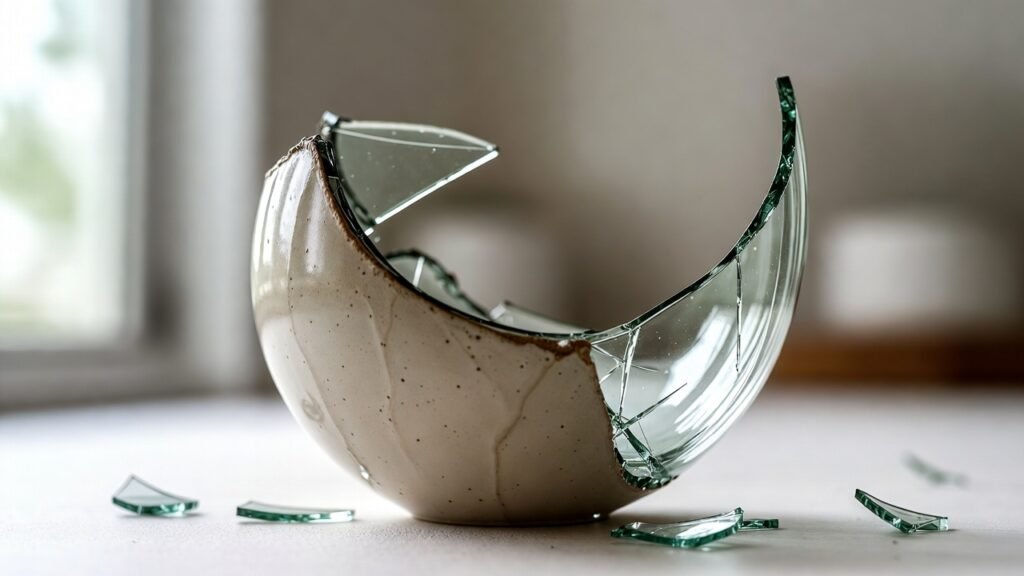
It had been almost two years.
The conversation had ended.
The friendship had ended.
They no longer crossed paths.
But the hurt had stayed. It had settled quietly into Eve’s heart, leaving a scar that time alone had not healed.
Whenever someone mentioned that person’s name, Eve’s chest tightened.
Whenever the memory surfaced, the disappointment returned as sharply as the day it happened.
It was as though her body remembered what her mind had been trying to forget.
I thought I had moved on from this! Why do I still feel this way?
Sorting through old emails, she came across a message from the person who had hurt her. She stared at the screen. Her heart raced. The anger was still there – quiet, but alive. She closed the laptop and whispered: “Why is this still affecting me?”
Like many of us, Eve had believed that forgiveness meant pretending nothing had happened – that the betrayal no longer mattered. She thought forgiveness meant letting the person back into her life and acting as though the wound had never existed.
But some wounds leave scars, and pretending they aren’t there does not make them disappear.
One Saturday afternoon, while browsing through a local bookstore, Eve picked up a book she hadn’t intended to buy – The Book of Forgiving by Archbishop Desmond Tutu and Mpho Tutu.
She flipped through its pages casually, not looking for anything in particular, until one sentence stopped her in her tracks:
“Some wounds don’t heal because they are hidden. Others don’t heal because we keep reopening them.”
She read it once.
Then again.
This time, she didn’t just see words on a page.
She saw herself.
It felt as though someone had quietly named the burden she had been carrying for the past two years.
That evening at home, Eve admitted something she had been avoiding for a long time.
She had spent months trying to forget.
But she had never allowed herself to heal.
And forgetting and healing are not the same thing.
Forgiveness wasn’t asking her to deny the pain.
It was inviting her to stop carrying it everywhere she went.
It doesn’t change what happened.
It doesn’t erase the consequences.
It doesn’t necessarily require reconciliation.
And it certainly doesn’t mean leaving yourself open to be hurt again.
It means refusing to let yesterday’s hurt keep stealing today’s peace.
She realized that forgiveness was never really about setting the other person free. It was about freeing herself from the weight she had been carrying.
A Gentle Reminder
Forgiveness is one of the greatest gifts you can give yourself, not because the other person deserves it, but because you deserve peace.
Forgiveness does not mean:
– Forgetting what happened.
– Excusing harmful behaviour.
– Dismantling healthy boundaries.
– Returning to unsafe relationships.
Sometimes forgiveness simply means choosing not to let pain become your permanent address.
Reflection Questions
– Is there a hurt you’ve been carrying longer than you intended?
– What has holding on to that pain been costing you?
– What would healing look like, even if reconciliation is not possible?
At Peramind
We believe healing takes courage.
Sometimes that courage looks like speaking up.
Sometimes it looks like asking for help.
And sometimes, it looks like choosing peace over bitterness – quietly, privately, for no one’s benefit but yours.
Healing is rarely instant, but every step towards peace is a step toward freedom.
Be patient with yourself. Healing is a journey, not a deadline.
About The Author